How to recognize common casting defects and what causes them.
Every casting process has its own failure modes, and knowing what a defect looks like is the first step to fixing it. This guide covers the casting defects we see most often across die casting, permanent mold, sand, and investment casting: porosity from foreign material, shrinkage, and gas holes; cold shuts; misruns and short pours; mold and core shifts; heat checks and hot tears; rough surfaces; and excessive flash. For each one you will find what it looks like and its usual causes.
CMT engineers review designs for manufacturability and use casting simulation before tooling is built, and our quality labs in China and Cincinnati inspect parts so defects are caught at the source, not on your assembly line. If you are fighting a recurring casting defect with a current supplier, talk with our team.
Defect guide
Common casting defects
What each defect looks like, and the usual causes.
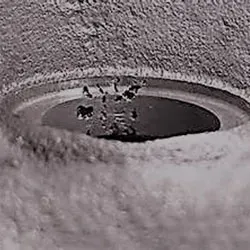
Porosity: Foreign Material
The shape of the porosity is usually irregular. The cause is sand or ceramic that has broken off from the mold. It can also be impurities in the molten known as dross or slag.
Porosity: Shrinkage
Voids that are the result of metal freezing off and blocking the flow of metal to the last sections of the casting before solidification. The cause is usually insufficient risering. Shrink may also occur due to issues in directional solidification, potentially due to geometric shape and the positioning of the ingates and feed metal.
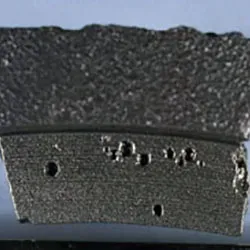
Porosity: Gas Holes
Voids caused by entrapped gas that was dissolved in the molten metal or air and moisture in the mold itself. Gas holes are round or tear drop in shape.
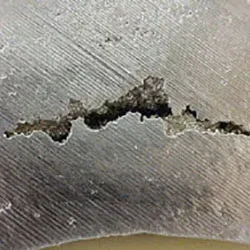
Cold Shut
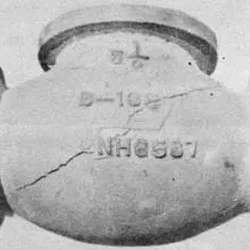
This occurs when metal coming from different directions in the mold do not fuse properly. It typically looks like a crack in the casting. Cold metal results in a lack of fluidity.
Misrun / Short Pour
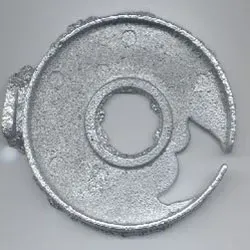
Misruns occur when the molten metal does not completely fill the mold misruns. The cause may be a broken mold (run out), insufficient metal in the pouring process, or lack of fluidity of the metal.
Shifts: Mold or Core
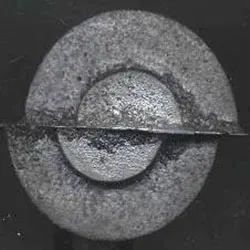
This is a common defect in sand casting and can be corrected with alignment pins. Misalignment of the two halves of a mold result in this defect. Core shifts occur if the core placement is not located properly to form the internal features.
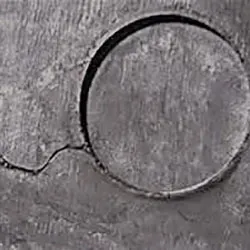
Heat Checks / Hot Tear
Positive metal on the surface of the casting caused by cracks in the molds. Heat check is a die cast term that results from cracks in the steel dies due to thermal cycling. Hot Tear is a sand casting term to describe rough lines of positive metal on the surface. Both are cosmetic and easily removed.
Rough Surface
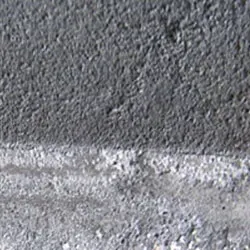
Usually caused by weak molding sand that washes away during the pouring operation. Sand can also break off the mold and stick to the pattern due to excessive moisture content or rough patterns.
Excessive Flash
The condition is caused when the two halves of a mold separated allowing molten metal to escape. The excess can be removed and the casting salvaged.