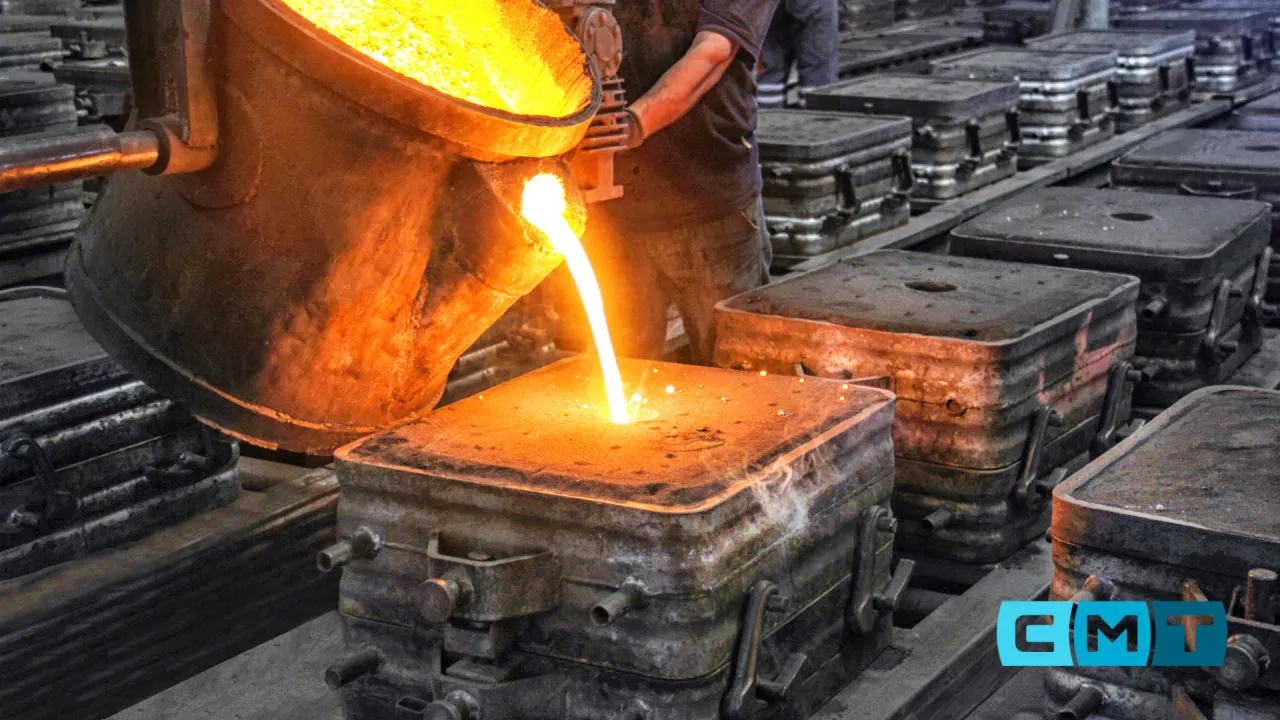
Die casting demand is accelerating across multiple industries, not because volumes are uniformly rising, but because applications are evolving. Manufacturers are increasingly relying on die casting to deliver complex, high-precision components that balance performance, weight, cost, and scalability.
Several forces are driving this surge.
- Product design complexity is increasing. Across automotive, industrial equipment, energy, and electronics, engineers are integrating more features into fewer parts.
- Lightweighting remains a priority beyond automotive. While electric vehicles continue to influence aluminum die casting demand, similar weight and efficiency pressures are now visible in material handling equipment, power systems, and infrastructure components.
- Supply chain resilience is reshaping sourcing strategies. Buyers are prioritizing repeatability, process control, and predictable quality.
Compared to alternative fabrication methods, die casting can reduce downstream machining, minimize scrap, and improve cycle times when parts are designed with manufacturability in mind. As cost pressure persists, these efficiencies matter more than ever.
The takeaway for buyers is clear: die casting is no longer just a legacy manufacturing process; it is a strategic enabler for modern product design, cost control, and scalable production across industries.