
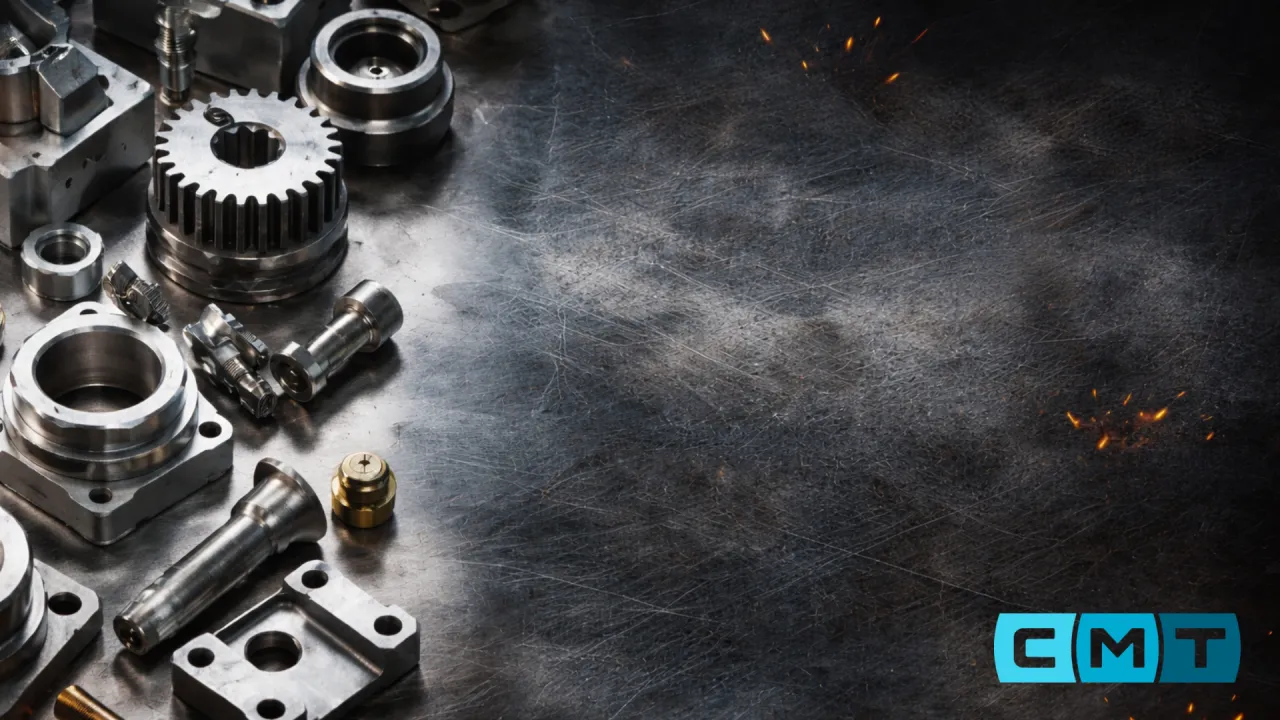
Metal parts are foundational to nearly every industrial product, from heavy equipment and vehicles to infrastructure, appliances, and energy systems. While often treated as commodities, the way metal parts are designed, sourced, and produced has a major impact on cost, performance, and supply chain reliability.
For engineers, sourcing teams, and operations leaders, understanding what drives successful metal part production is critical.
Key considerations when working with metal parts
Design drives cost. Early design decisions, wall thickness, tolerances, and geometry often influence cost more than the manufacturing method itself. Design for manufacturability (DFM) reduces scrap and downstream machining.
Material selection matters. Aluminum, iron, steel, and specialty alloys each offer different tradeoffs in strength, weight, corrosion resistance, and cost. The “best” material depends on application, not habit.
Process selection impacts performance. Casting, forging, and machining each deliver different mechanical properties, surface finishes, and repeatability. Matching the process to functional requirements avoids over-engineering.
Consistency beats the lowest price. Reliable suppliers with stable processes, documented quality systems, and repeatable outcomes often reduce total cost even if the piece price is slightly higher.
Quality systems reduce risk. PPAPs, control plans, and inspection discipline help prevent late-stage surprises, especially for safety-critical or high-volume parts.
Supply chain strategy is part of engineering. Dual sourcing, inventory planning, and logistics coordination are increasingly important as lead times, tariffs, and freight volatility continue.
Collaboration improves outcomes. When engineering, sourcing, and manufacturing teams collaborate early, metal parts perform better, cost less, and launch faster.
The takeaway: metal parts aren’t just components, they’re engineered systems. Treating them strategically leads to better products, lower risk, and more resilient supply chains.